A monthly blog about the sensory experience of New York City

Tuesday, August 7, 2012

TOUCH: Inwood Hill Park caves

On a recent sweltering summer’s day, I traveled to the northern tip of Manhattan. I crossed the Inwood Hill Park soccer field, took the left fork in the trail, and soon found myself alone in a forest filled with birdsong that might have been heard by the Wiechquaesgeck Indians who, centuries ago, inhabited this woodland—and the caves that lay just steps ahead in the park’s eastern cliffs. 


On the Place Matters website, a commenter had recommended visiting the Indian caves on just such a summer’s day “to suck up the cool air that gets thrown out from the caves. It feels like instant air conditioning... free too! It’s a place that transports you to a time, a people and way of life far removed from ours.”

Though I’d been prepared for spelunking, almost immediately I spotted recesses and craggy overhangs in the rocks above the path. In fact, there was a makeshift trail that appeared to wend between them, and a campfire pit at the base, suggesting that the caves were frequented by Boy Scouts, s’mores-toasting tourists—or people in need of warmth and shelter. 


The first cave was wide and shallow—more of a grotto—and emitted no cooling air, just a lazy swarm of flies. I continued up the hill.


The second cave I came to was deeper and narrower; a Sapporo can glinted in the back. As I ducked in, however, I was struck not by a refreshing rocky breath but by more flies, this time a buzzing horde, which bombarded my face and swarmed around my head. They all but drowned out the birdsong. I recoiled, swatting at my eyes in the sudden bright sunshine.
 

Peeking in again, I saw that the cave walls were indeed studded with flies—the beady, blue-tinged sort. This time I forced myself to linger in the entrance, and soon the swarm subsided. Only then could I appreciate the damp, stony coolness of the air; it felt like placing a clay mask over my face. It smelled thick and sharp. Frayed cobwebs caught the light. Flecks of mica flickered. I noticed candle wax dribbled on a rock by the entrance.
 

I continued up the hill to the few other caves, stopping to pluck a wineberry from a thorn bush and to perch on a rock in the leafy light, trying to detect an ancient presence.
 

The caves had transported me to a people and a way of life far removed from my own. But it wasn’t the one I was expecting. The air they gave off was less refreshing than spooky. It wasn’t just the flies. It wasn’t just the bread tags, toilet paper, dime bags, and discarded clothing I turned up among the leaf litter. The stories told in their buzzing, swarming, mineral breath were of stolen moments, illicit activities, homelessness, decay: the stories of desperation that lurk beneath so much of our city’s dappled light.
 

Monday, July 2, 2012

SMELL: Seven random smell delights

This month, as last year, I offer seven sense delights for the seventh month. Last year, sights; this year, smells.


1. Horse manure and hay
Exiting the N/R/Q subway station at Fifth Avenue–Fifty-ninth Street, where all the carriage horses line up outside the Plaza


2 Fabric softener on a rainy day
Gusting from air vents from a laundromat, a little breath of faux-freshness as you walk down a sidewalk


3. A just-opened bag of brown sugar
The NYPL Rose Main Reading Room smells like this, inexplicably


4. Syrup and powder, menthol and talcum: classic old-fashioned pharmacy
Behrens pharmacy in Fort Greene


5. Wet dog, stagnant mop-water, mildew, and rotting flesh, for no immediately obvious reason
Outside 284 Broome Street, reportedly the smelliest spot in the city


6. Rotisserie chicken, salted hanging deli meats, bakery, cold lettuce, floor cleaner
Gristedes at Twenty-fifth Street and Eighth Avenue


7. Jamaica Bay Wildlife Refuge
Rosehips, saltwater, and sand, cool waftings of the marsh, and a faint tinge of burnt rubber and tar


Monday, June 4, 2012

SOUND: Wave Hill’s copper beech tree before a rainstorm

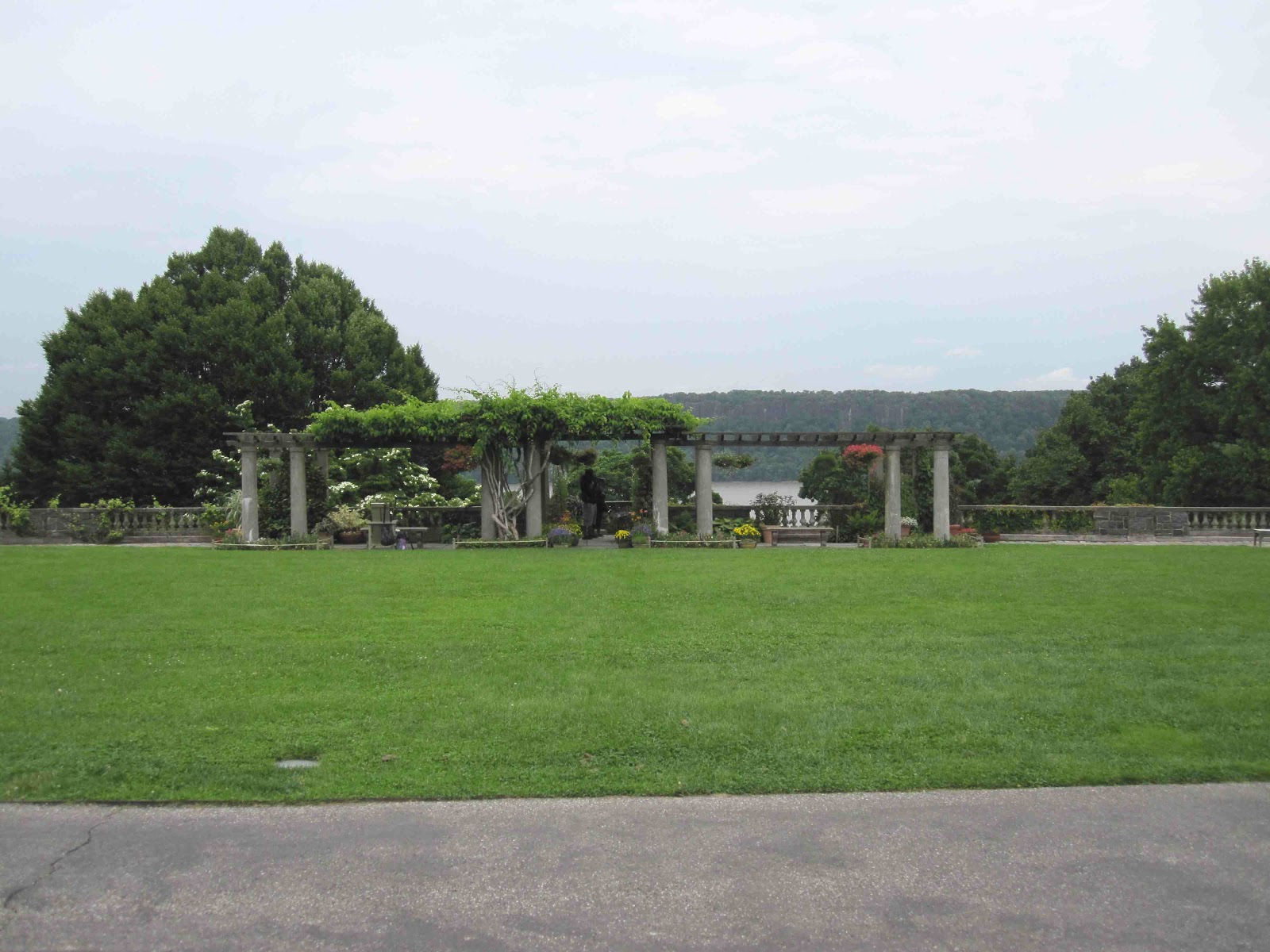
There’s something different about the air at Wave Hill, the public garden in the Bronx on the cliffs above the Hudson River. Perhaps it’s because the wind usually comes from the west, straight from the Palisades across the river and hits you right there on the bluffs.

Perhaps it’s because the garden’s juxtaposition of sweeping vistas and intimate nooks creates unpredictable air currents. Or perhaps it’s because the trees here are generally not clustered in groves but stand alone, free to interact with the elements on all sides. When the wind blows, all sides of the tree move with it, and often don’t touch any other trees. Walking through the garden on a windy day is rather like meandering through an orchestra pit in the midst of a symphony: as you pass each tree, its unique tone sounds out for a moment against the sibilance of the trees around it.One such tree is the venerable copper beech located on a quiet patch of lawn between the aquatic garden and the shade border. More than a hundred years old, it has elephantine bark, silvery gray and in places marked by wrinkles so intricate it seems to be melting. The boughs dip to brush the ground.

One afternoon last week, as I wandered the gardens, I felt the breeze stiffen, and the sun shuttled behind clouds. A stray raindrop splattered onto my bare arm. I took shelter beneath this beech tree and was struck by the sound of the leaves rustling in the building wind: a susurration that moved in a wave around the circumference of the tree. The leaves whispered with brief pauses in between movements, almost as one might to soothe an anxious child: shhhhh (now) shhhhhh. And as the breeze died, the sound died in a hiss almost like the tide receding along a sandy shore—only to build again.

I moved to stand closer to the leaves, which were thick, oily, and mahogany colored, gently cupped like hands waiting to receive the coming rain. But up close, the sound was not nearly so remarkable, more of a papery touch, barely audible.

Stepping back from the tree into the garden, I saw the tree’s bodily sway in the breeze was just as soothing, as parental, as its sound: a listing to accommodate the strange, changing air, just enough to keep it flexible, just enough to keep it strong.


Tuesday, May 1, 2012

SOUND & TOUCH: Sitting in the New York Public Library’s Rose Main Reading Room


Every aspect of the Rose Main Reading Room, in the New York Public Library’s main branch, at Forty-second and Fifth, seems designed to encourage long visits and to foster serious accomplishment. Two marble candelabras flank the entrance to the room, which measures the length of two city blocks. 


The forty-two long, wide oak tables ensure you’ll never brush elbows with fellow patrons—or read over their shoulders. In addition to the light from chandeliers and sunlight slanting through cathedral windows, intimate bronze-shaded lamps spill warm puddles of (soon-to-be-forgotten incandescent) light over the writing surface. A trash can awaits at the end of each row, dictionaries on pedestals (with individual reading lamps!) await at the other, and white stripes run along both sides of the center aisle, like the emergency lighting on an airplane, keeping your mind and body from straying. Black numbers designate table spaces in front of each wooden armchair. 


And what chairs these are! As far as wooden chairs go, the Rose Main Reading Room's model seems designed to hold you and keep you, providing a firm launching pad for your loftiest thoughts. 


In these chairs, no amateurish, collegiate study positions are tolerated. Your feet rest so solidly on the floor, they will never seek out under-table ledges or chair rungs; they will not curl up beneath you. The arms, a graceful slope of polished wood, support the arms all the way to the table edge, where they meet it at perfect ergonomic height for typing or writing. The seat features a slight depression for each thigh. The curved chair-back hits just below the shoulder blades, and the carved central slat ensures your spine is straight. The legs are not on casters, and it takes a forceful nudge to wrest them from their spot, making it even easier to just stay put. 


In fact, the grating of the chair legs scraping the floor tiles is perhaps the most prominent sound in the room. The silence of the Rose Reading Room is the most dignified—sacred, even—of any public space I’ve encountered in the city. There is no laughter, chatter, or exclamations, only muffled coughs, the clicks of pens and the plastic buckles on backpacks. 


The distant rattles and bangs of the medieval book-delivery machine in the center of the room, which conveys books from the library’s forty-mile inner sanctum of shelves, seem to echo the churnings of the many minds bent over the tables. And if your mind should chance to wander, all you have to do is stay right there in your seat and look up to the ceiling, where, fifty-two feet above, ceiling panels painted with luminous sky and billowing clouds greet you, offering escape and, perhaps, inspiration. 


As Alfred Kazin described the room more than a hundred years ago, “There was something about the vibrating empty rooms early in the morning—light falling through the great tall windows, the sun burning the smooth tops of the golden tables as if they had been freshly painted—that made me restless with the need to grab up every book, press into every single mind right there on the open shelves.”